Austin summers are brutal, and by July, the heat can push 100°F. While Lake Travis and Lake Austin exist, locals know the real relief comes from the natural swimming holes scattered across Central Texas. These aren't your typical beach destinations - they're springs-fed pools, rocky creek beds, and preserved natural areas where the water stays cold year-round.
I've spent the last decade testing swimming holes within an hour of downtown Austin. Some are crowded, touristy, and overpriced. Others are hidden gems that locals keep quiet about. This guide covers the best of both - places worth the drive and the entry fee.
1. Barton Springs Pool
Quick Facts
- Distance: 20 minutes from downtown
- Cost: $5-9 day pass (kids 5-12 $3)
- Temperature: 68°F year-round
- Best Time: Weekday mornings, May-September
- Parking: $2/hour at Zilker Park
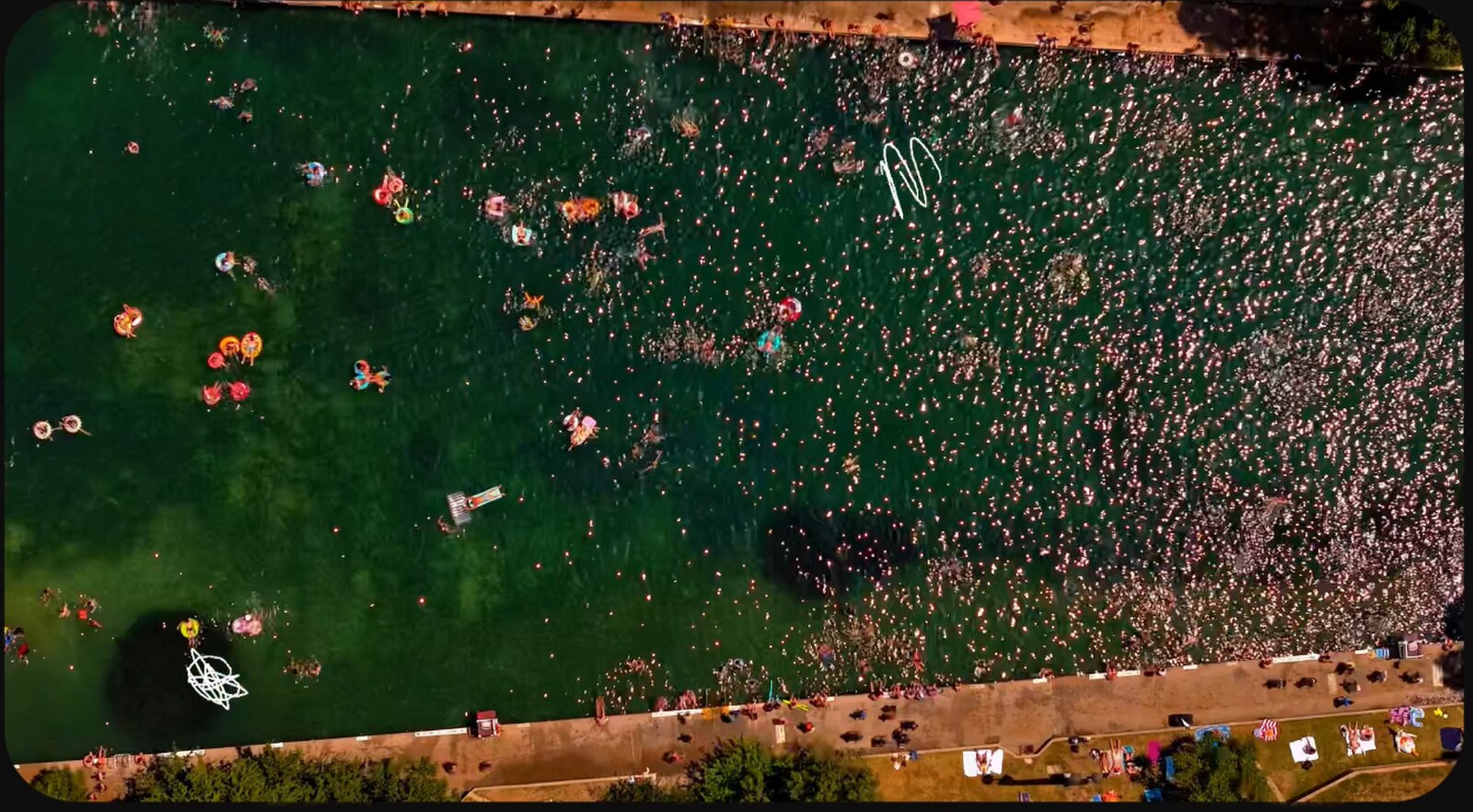
Barton Springs Pool is the swimming hole Austinites brag about to visitors. Located in Zilker Park, this 1-acre spring-fed pool maintains a perfect 68°F temperature every single day of the year. Even when Austin hits 95°F in August, the water feels like a natural AC unit.
The pool is about 10 feet deep at the far end and gradually slopes to 3 feet near the entrance, making it accessible for all swimmers. The park provides changing rooms, lifeguards during peak hours, and snack stands. Pro move: arrive before 9am on weekdays to snag parking and avoid the weekend crowds that can number in the thousands.
A word of warning: Barton Springs has become increasingly crowded as Austin's population boomed. Summer weekends are shoulder-to-shoulder by noon. The water quality is excellent, but it's not the pristine natural experience you'll find at other spots. No dogs allowed. If you're visiting for the first time or have kids, this is still the best starting point.
Pro Tip
Bring a rash guard or light wetsuit. The 68°F water feels cold for the first 5 minutes, and you'll recover faster if you keep your core warm. Also, avoid peak hours (11am-3pm on weekends). Arrive at opening time (5:30am weekdays, 9am weekends) for the best experience.
Gear Up for Your Swimming Hole Adventure
Looking for quality swim gear? Check out rash guards and swim gear on Amazon - we recommend these for the cooler springs.
2. Hamilton Pool Preserve
Quick Facts
- Distance: 30 miles west of Austin
- Cost: $10-15 per vehicle
- Temperature: 62-65°F
- Best Time: Spring (March-April), early fall (Sept-Oct)
- Parking: Limited; arrive early or book online
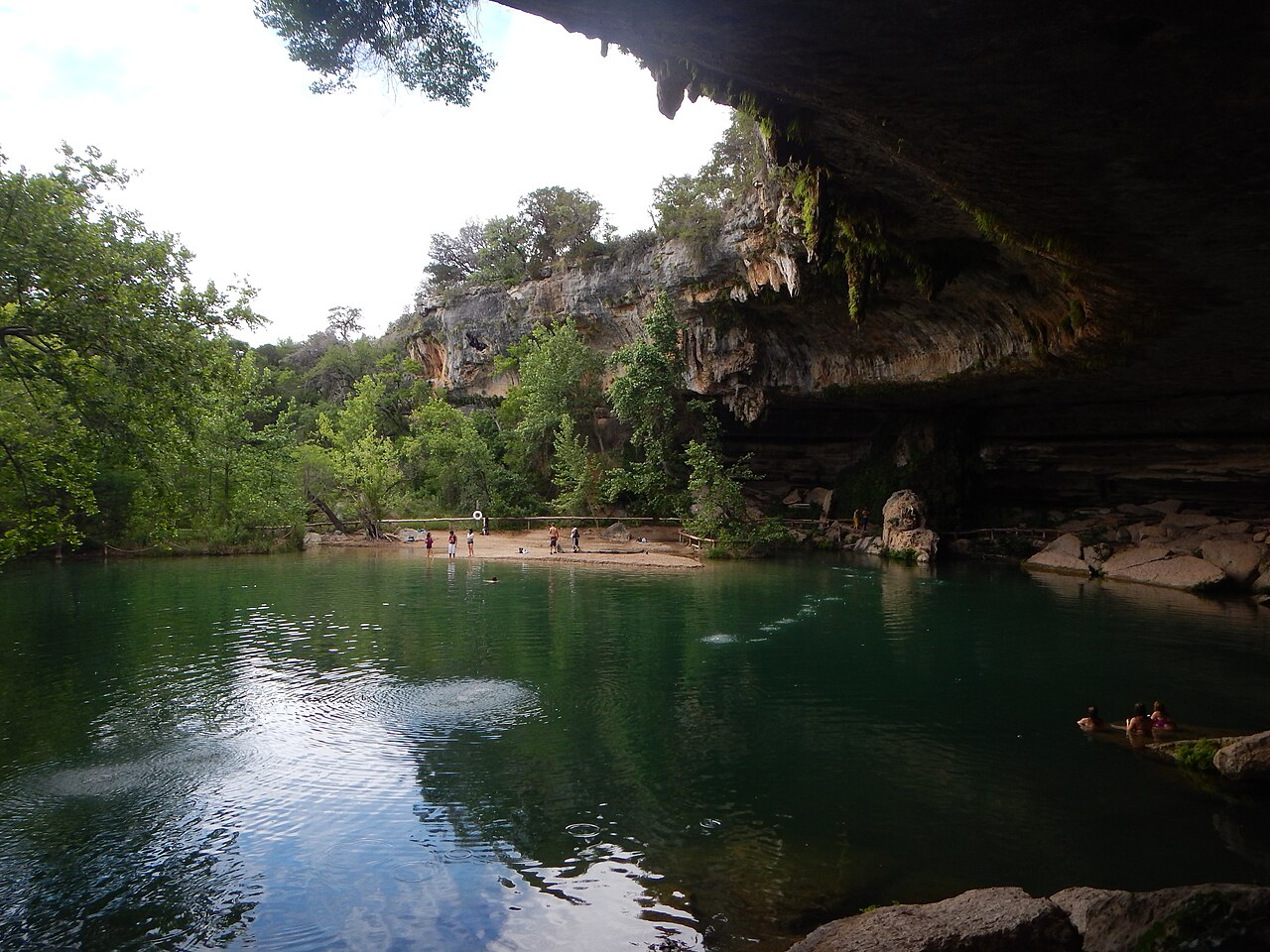
Hamilton Pool Preserve is postcard-perfect. A 50-foot limestone waterfall feeds an emerald pool surrounded by 300-foot cliffs. It looks like something out of a fantasy film, and in person, it's even more stunning. Located on Highway 71 West about 40 minutes from downtown, this Travis County preserve protects a rare cave system and endangered cave fauna.
The hike from parking to the pool is only about 500 feet but can be steep and slippery. Once you reach the pool, the view of the waterfall plunging into crystal-clear water is absolutely worth it. The water is cold (62-65°F) but refreshing on a hot day. Swimming directly under the waterfall is a bucket-list moment.
Here's the catch: Hamilton Pool Preserve limits daily visitors to protect the ecosystem. Parking fills up fast, especially weekends. Your best bet is booking a timed entry online at austintexas.gov up to 30 days in advance. Summer is the worst time to visit - crowds are enormous. Go in spring or early fall for the best experience.
Pro Tip
Book your entry online. Showing up without a reservation means a 2+ hour wait or being turned away. Also, bring water shoes - the rocks are slippery, and your feet will thank you. The cave ceiling can drip, so your hair gets wet even if you don't swim.
3. Jacob's Well
Quick Facts
- Distance: 32 miles southwest (Wimberley)
- Cost: $12 per person
- Temperature: 60°F
- Best Time: May-October (winter closure possible)
- Parking: First-come, first-served at nearby lot
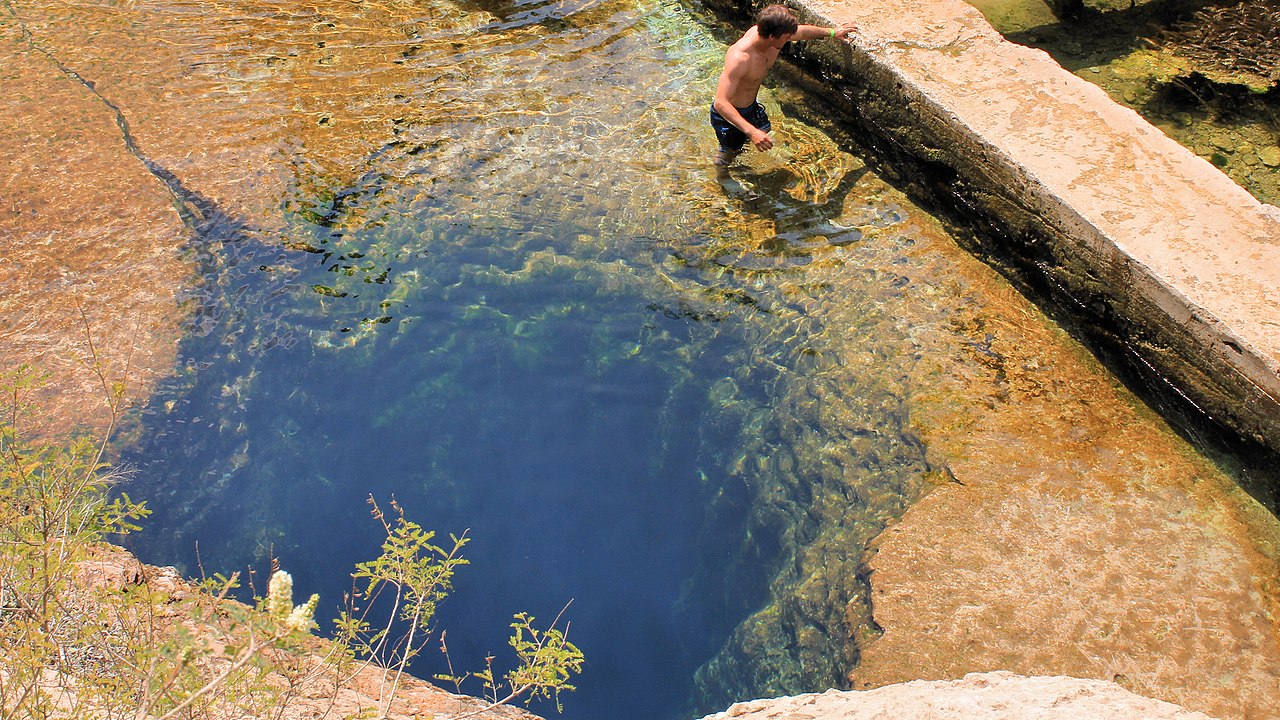
Jacob's Well is one of the deepest artesian springs in Texas. It's a perfectly circular hole about 30 feet in diameter that drops 140 feet down. The water is crystal clear, and on a sunny day, you can see 40+ feet into the blue depths. It's hypnotic and a little bit spooky.
This is a divers' paradise - experienced divers can go very deep and explore the underwater cave system. For regular swimmers, the water is perfect for cooling off and the surrounding area is peaceful and less touristy than other spots. The property is on private land, which is why they're protective about access and require reservations through landowner agreements.
Fair warning: Jacob's Well can close seasonally if water levels drop or for maintenance. Call ahead or check online before driving out. The road to get there is winding and narrow, so budget extra time. The experience is special enough to warrant the effort, especially if you're a photographer or someone who appreciates geologically unique spots.
Pro Tip
Bring a good camera - Jacob's Well is stunning for photos. The water clarity is best mid-morning when the sun is high. Arrive very early to avoid the afternoon crowds. This is a quieter spot than Barton Springs but still worth planning ahead for.
4. Krause Springs
Quick Facts
- Distance: 28 miles north (Spicewood)
- Cost: $9 per person
- Temperature: 68°F year-round
- Best Time: May-August, weekdays
- Parking: Abundant; park on property
Krause Springs is a natural swimming paradise with 32 distinct springs fed by underground aquifers. The property is family-friendly with multiple pools of varying depths, grassy areas for picnicking, and a laid-back vibe. The water stays at a comfortable 68°F year-round, and there's enough space that you don't feel claustrophobic even on busy days.
The main pool is the crown jewel - about 60 feet across and perfect for swimming. Secondary pools are shallower and popular with kids. The grounds are well-maintained, with minimal crowds compared to Barton Springs. There's a general store on-site selling snacks and beverages, and picnic areas throughout the property.
This is where locals bring their families. It's affordable, accessible, and feels more natural than Barton Springs without requiring a two-hour drive. The springs also stay open for camping, so if you want to extend your visit, you can pitch a tent and watch the sunset over the Hill Country.
Pro Tip
Krause Springs is at its best on weekday mornings before 11am. Arrive early to claim a good spot on the grass. The property is also less crowded in June-July than August when families kick off summer vacation. Bring a picnic lunch instead of buying overpriced food at the general store.
5. Blue Hole Regional Park
Quick Facts
- Distance: 30 miles south (Wimberley)
- Cost: $9 per vehicle
- Temperature: 65-70°F
- Best Time: May-October
- Parking: Free at park entrance
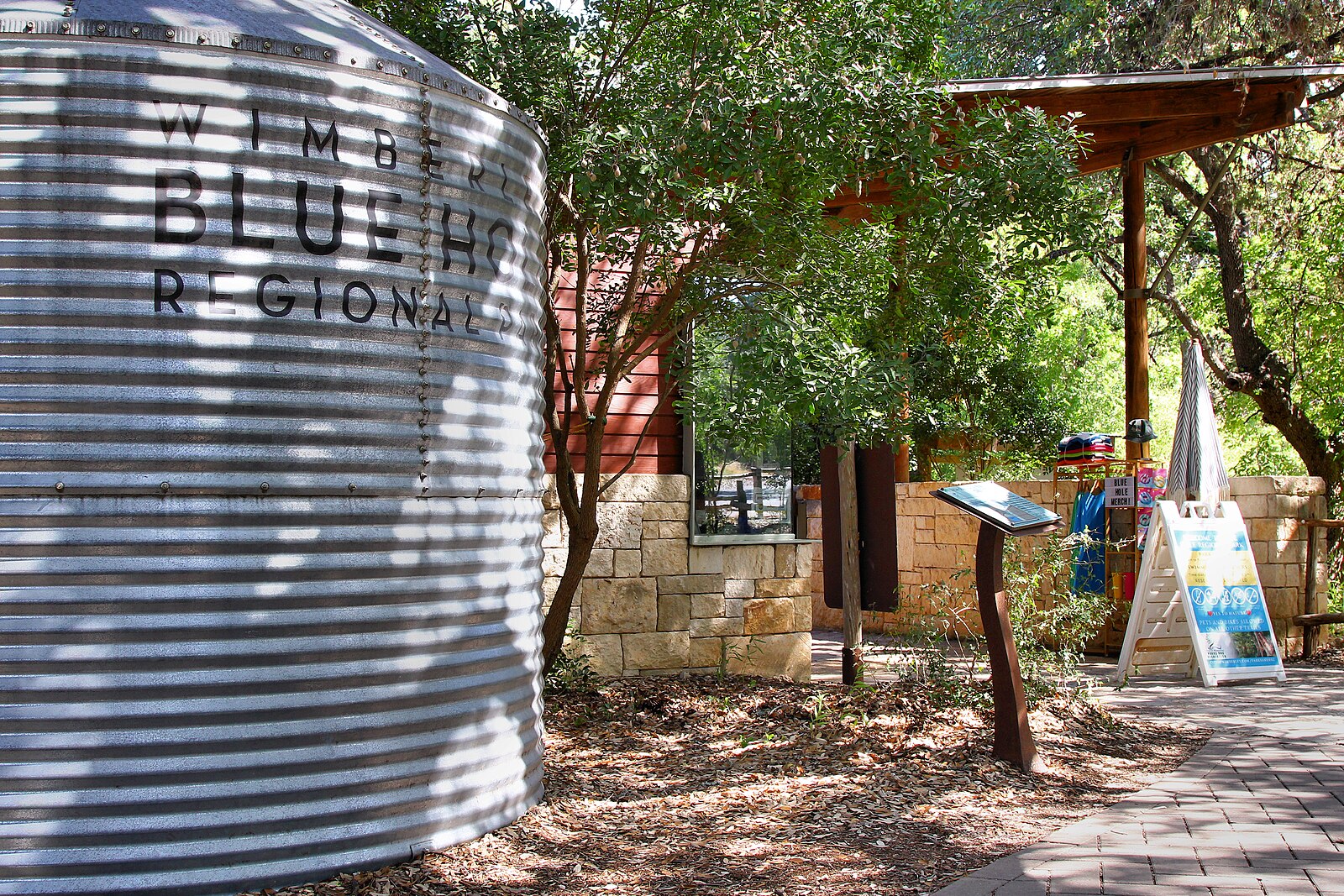
Blue Hole is a jewel-toned swimming pool carved into Cypress Creek over thousands of years. The water is shockingly blue - deep lapis-blue that looks almost unreal. The creek flows before and after the hole, creating a natural dam effect that keeps the water contained and perfect for swimming.
The park includes hiking trails, picnic areas, and a 2-acre nature preserve. The swimming hole itself is about an acre and remains at a consistent depth, making it safe for swimmers of all levels. The surrounding park is less developed than state parks but well-maintained, with bathrooms and basic facilities.
Blue Hole operates seasonally (spring through fall), and water levels can drop in late summer. Check online before visiting to make sure it's open and has adequate water levels. The park closes in winter, but during summer months, it's an excellent alternative to more crowded options.
Pro Tip
Go on a weekday morning when the light is perfect for seeing the blue color. Weekends can get crowded. Bring your own picnic supplies - the park has minimal food options. The drive from Austin is scenic, so make it part of a Hill Country day trip.
Plan Your Hill Country Adventure
Looking for a place to stay near these swimming holes? Browse hotels and lodging on Booking.com for weekend getaways in the Wimberley and Dripping Springs area.
6. Barton Creek Greenbelt - Sculpture Falls & Twin Falls
Quick Facts
- Distance: 25 minutes from downtown (varies by trailhead)
- Cost: FREE
- Temperature: 60-65°F
- Best Time: April-October
- Parking: Limited street parking or park lots
The Barton Creek Greenbelt is an 8-mile protected natural area running through West Austin. Within it are several excellent swimming holes including Sculpture Falls and Twin Falls, both accessible via hiking trails. Unlike commercial swimming destinations, these are completely free and feel wild.
Sculpture Falls is about a 1.5-mile hike and features a waterfall with a clear pool beneath. Twin Falls involves climbing over rocks but rewards you with two tiers of swimming holes. The water is cold (60-65°F) and clear, and you'll feel like you've discovered a secret when you arrive - these spots are well-known to Austin outdoors people but not overrun with tourists.
Water flow depends on rainfall, so late summer can be low. The best time is spring and early fall when water levels are good and temperatures are pleasant. Go early on weekends to secure parking - the trailheads fill up by 10am on nice days.
Pro Tip
Bring water shoes with strong traction. The rocks are slippery and can be sharp. Start early (7-8am) to get parking and avoid crowds. This is best in spring (April-May) when water flow is strong. Bring plenty of water and snacks since there are no amenities.
7. McKinney Falls State Park
Quick Facts
- Distance: 25 minutes from downtown
- Cost: $5 per person
- Temperature: 60-65°F
- Best Time: May-September
- Parking: $7 park fee
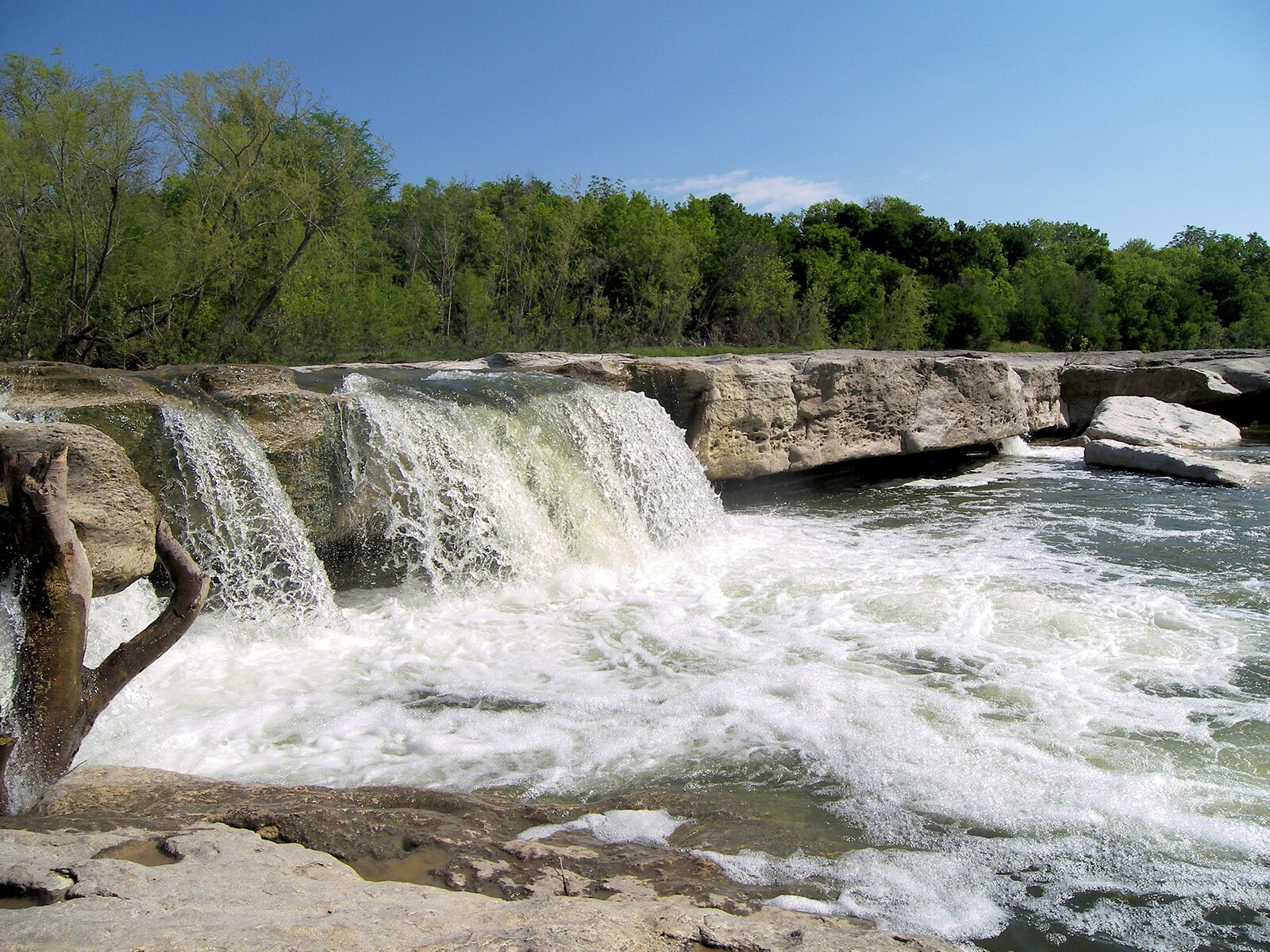
McKinney Falls State Park offers a rare combination of proximity to Austin and actual wilderness feel. The park features two tiers of waterfalls with swimming pools at each level. The lower falls are more developed with a wider pool, while the upper falls offer a more authentic hiking experience.
The main trail is about 3 miles round-trip and moderately strenuous. The reward is two excellent swimming holes surrounded by cedar and oak trees, limestone cliffs, and genuine Texas Hill Country scenery. The park also allows hiking, picnicking, and primitive camping, so you can make a full day or weekend of it.
This is an underrated gem. Most Austin tourists flock to Barton Springs or head out to the Hill Country, missing McKinney Falls. Locals know it as one of the best values in the area - $5 entry plus $7 parking, and you get wilderness plus swimming.
Pro Tip
Start your hike early to avoid the afternoon heat. The falls have the most water flow in May-June. Bring hiking boots, not just water shoes - the trail is rocky. Pack lunch and eat at one of the picnic areas. Weekdays are much less crowded.
8. Pedernales Falls State Park
Quick Facts
- Distance: 42 miles west (Johnson City)
- Cost: $7 per person
- Temperature: 58-62°F
- Best Time: March-May (waterfall flow)
- Parking: Abundant park parking
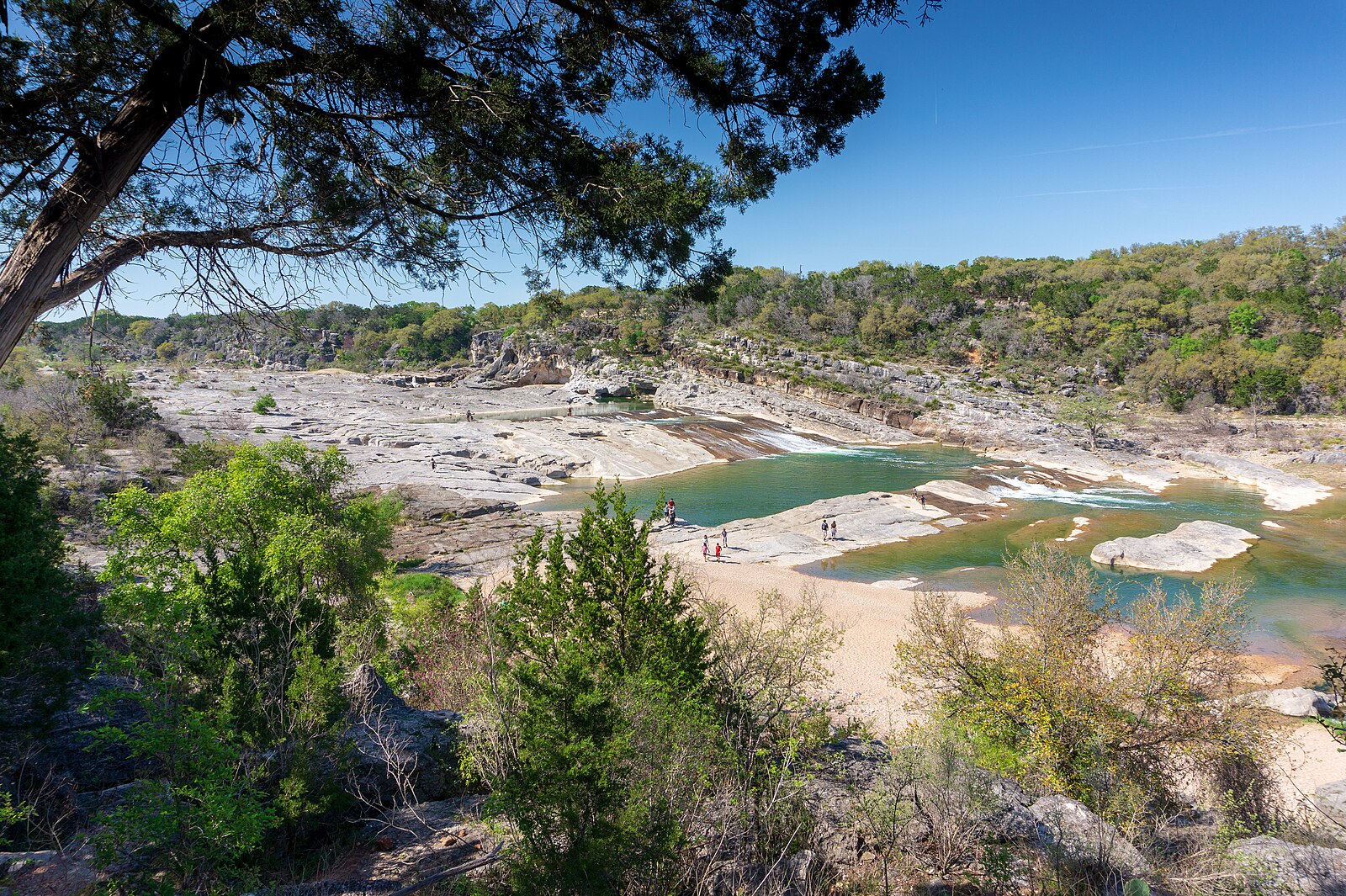
Pedernales Falls is a massive limestone waterfall that drops 50 feet. The park spans 5,000 acres and includes hiking trails, camping, and multiple swimming areas. The falls are most impressive in spring when water flow is high, creating a dramatic cascade and large pools for swimming.
The park is less crowded than many popular spots, partly because it requires a 1 hr drive from Austin. But for that investment, you get an uncrowded natural experience, better hiking trails, and a genuine waterfall. The water is cold (58-62°F) but the summer heat makes it refreshing.
Note: In late summer and fall, water flow diminishes significantly, sometimes reducing the falls to a trickle. Visit in spring for the full experience. The park also offers primitive camping if you want to extend your visit overnight.
Pro Tip
Plan this trip for March through May when water flow is reliable. The drive is long, so make it a half-day adventure combined with a stop in nearby Johnson City or Blanco. Bring plenty of water and sunscreen - the park has minimal shade.
9. Inks Lake State Park - Devil's Waterhole
Quick Facts
- Distance: 45 miles north (Burnet)
- Cost: $8 per person
- Temperature: 68-72°F
- Best Time: June-August
- Parking: Day-use lot
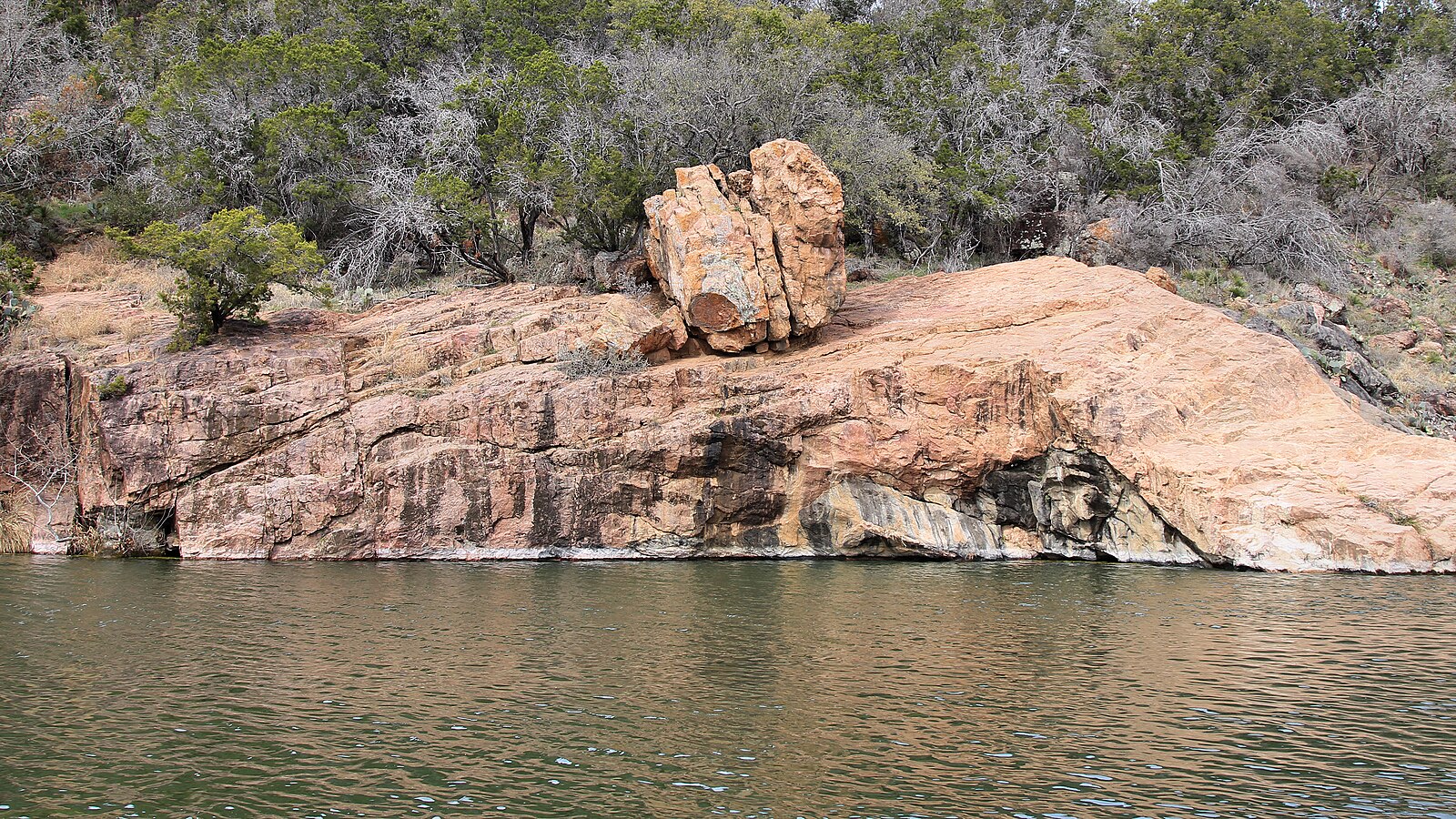
Inks Lake State Park features Devil's Waterhole, a cliff-jumping destination that gives you a true adrenaline rush. The 35-foot cliff overlooks a deep, clear pool fed by limestone springs. It's popular with college kids and adventure seekers, but the scenery and water quality are legitimately excellent.
This is not a family swimming hole - it's for people who want to jump cliffs. The water depth is adequate for jumping, but you'll want good swimmers and no hesitation about heights. Beyond cliff jumping, the park offers camping, hiking, and a lake for paddling.
The park is also home to the Longhorn Cavern, so you can combine a swimming day with cave exploration. The lake water is warmer (68-72°F) than most Hill Country springs, making it pleasant for extended swimming.
Pro Tip
Only jump the Devil's Waterhole if you're an experienced cliff jumper. Scout the landing area first. Don't jump if the water level is low. Go on a weekday if you want a less rowdy experience - this place can get party-crowd vibes on weekends in summer.
10. Comal River, New Braunfels
Quick Facts
- Distance: 30 miles southeast
- Cost: Free (tubing rentals $8-15)
- Temperature: 72°F year-round
- Best Time: May-August
- Parking: Multiple public access areas
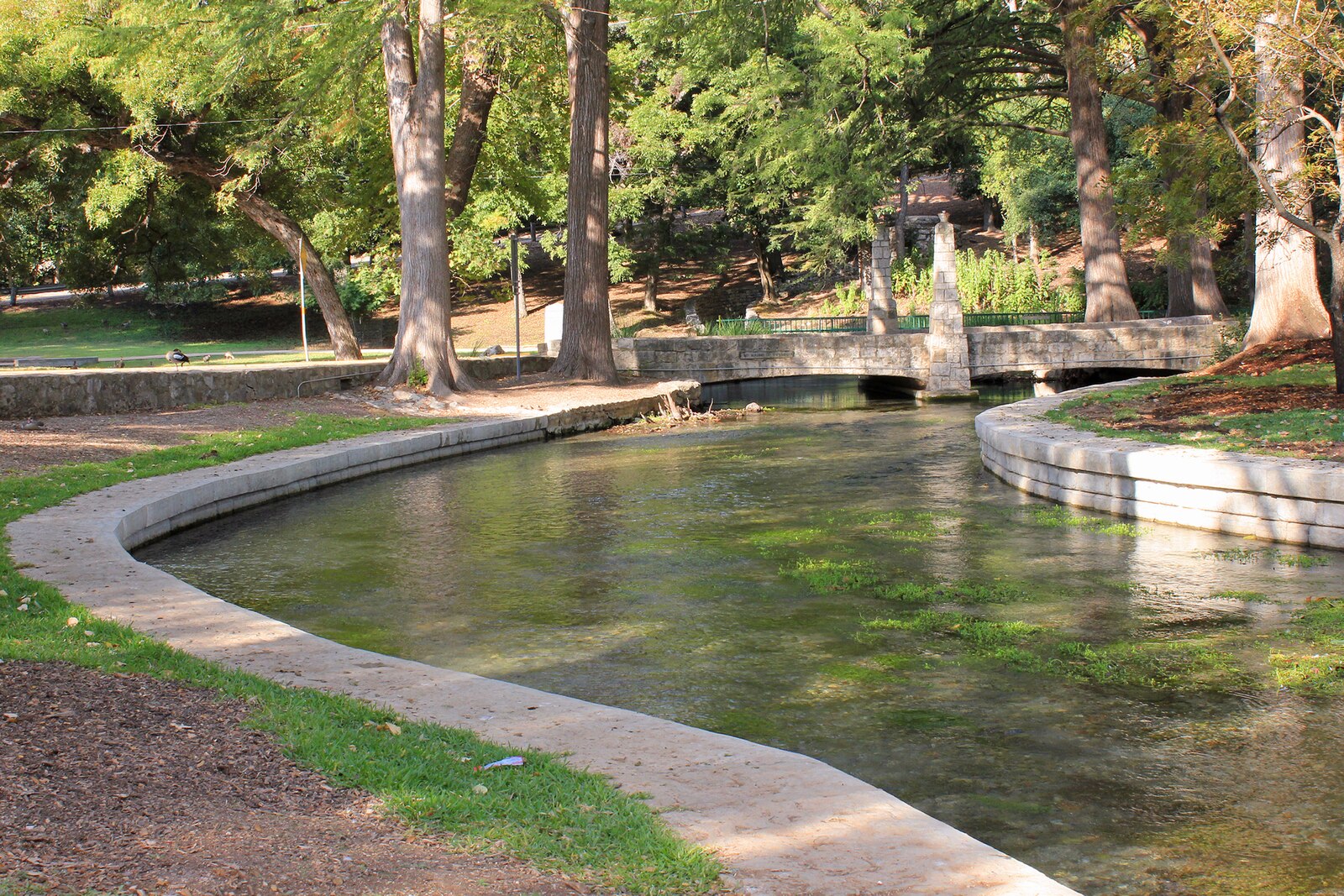
The Comal River in New Braunfels is one of the shortest rivers in the United States and perhaps the most fun. It flows from Comal Springs at a consistent 72°F and runs for about 9 miles before joining the Guadalupe River. The entire river is bikeable, hikeable, and most famously, tubeable.
You can float the entire river on a tube in about 3-4 hours, and it's basically tubing 101 - gentle current, shallow water, party atmosphere. The water quality is excellent (it emerges from underground springs), and the river is perfect for swimming if you want to leave the tube and jump in at any point.
The river gets incredibly crowded in summer, especially weekends. Arrive early or go on a weekday. There are multiple tube rental shops in New Braunfels, and coordinating a shuttle is easy. This is peak bachelor/bachelorette party territory, so know what you're getting into.
Pro Tip
Bring a waterproof bag for your phone and car keys. Use Viator tubing tours if you don't want to arrange your own shuttle. Go midweek for a chill experience, or weekends if you want the party vibe. Wear water shoes to protect your feet from rocks.
Quick Comparison: Swimming Holes at a Glance
| Location | Distance | Cost | Temperature | Best For | Crowds |
|---|---|---|---|---|---|
| Barton Springs Pool | 10 min | $5-9 | 68F | Families, first-timers | Very High |
| Hamilton Pool Preserve | 30 min | $10-15 | 62-65F | Photography, scenic | High |
| Jacob's Well | 32 min | $12 | 60F | Divers, geology nerds | Medium |
| Krause Springs | 28 min | $9 | 68F | Families, camping | Medium |
| Blue Hole Regional Park | 30 min | $9 | 65-70F | Peace, scenic beauty | Low-Medium |
| Barton Creek Greenbelt | 15 min | Free | 60-65F | Hikers, locals | Medium |
| McKinney Falls State Park | 15 min | $5 | 60-65F | Budget-conscious, hiking | Low |
| Pedernales Falls State Park | 42 min | $7 | 58-62F | Waterfall lovers, spring | Low |
| Inks Lake State Park | 45 min | $8 | 68-72F | Cliff jumping, adventure | Medium |
| Comal River | 30 min | Free/$8-15 tube | 72F | Tubing, parties | Very High |
Frequently Asked Questions
What should I bring to a swimming hole?
Bring water (1-2 liters per person), sunscreen (SPF 30+), water shoes, a towel, and snacks. For longer hikes, bring a backpack, a hat, and electrolyte drinks. Phone in a waterproof case. Most places don't have food, so pack lunch if you're staying more than 2 hours.
What's the best swimming hole for a first-time visitor to Austin?
Barton Springs Pool is the safe bet - closest to downtown, easiest to access, best amenities, and reliable year-round water. If you have a car and 30 extra minutes, Hamilton Pool Preserve is the most stunning and Instagram-worthy.
Can I bring alcohol to swimming holes?
State parks and most public areas prohibit glass bottles and have restrictions on alcohol. Some places allow beer in plastic containers. Check specific regulations for each location. The Comal River is famous for the party atmosphere, so alcohol is tolerated there. Never drink and drive.
Are these swimming holes safe?
Most are safe for experienced swimmers. Some have strong currents (Comal River), deep water (Jacob's Well), or slippery rocks (Hamilton Pool). Always assess water conditions, swim with a buddy, and respect your skill level. Avoid swimming holes after heavy rain when water is murky and currents are strong.
What time of year should I visit?
May-September is swimming season. Avoid summer weekends (10am-4pm) for less crowding. Spring (March-May) offers smaller crowds and impressive waterfall flow. Early fall (September-October) is excellent with warm water and fewer tourists. Winter water is cold (55-60F) but still swimmable for those with tolerance.
Do I need to make reservations?
Yes for: Hamilton Pool (strongly recommended), Jacob's Well. Optional but smart for: state parks on weekends. No reservations needed for Barton Springs, Krause Springs, or the Comal River, but arrive early for good parking.
How cold is the water really?
Most Hill Country springs are 60-65F, which feels cold initially but isn't dangerous for healthy swimmers. Barton Springs is 68F. The Comal River is warmer at 72F. Wear a rash guard if you're sensitive to cold. After 5-10 minutes, your body acclimates.
What about water quality and safety concerns?
Spring-fed pools in the Hill Country have excellent water quality. Barton Springs and most preserved areas are regularly tested. Avoid swimming in Barton Creek or rivers after heavy rain when urban runoff degrades water quality. Check local news for any closures or warnings.